
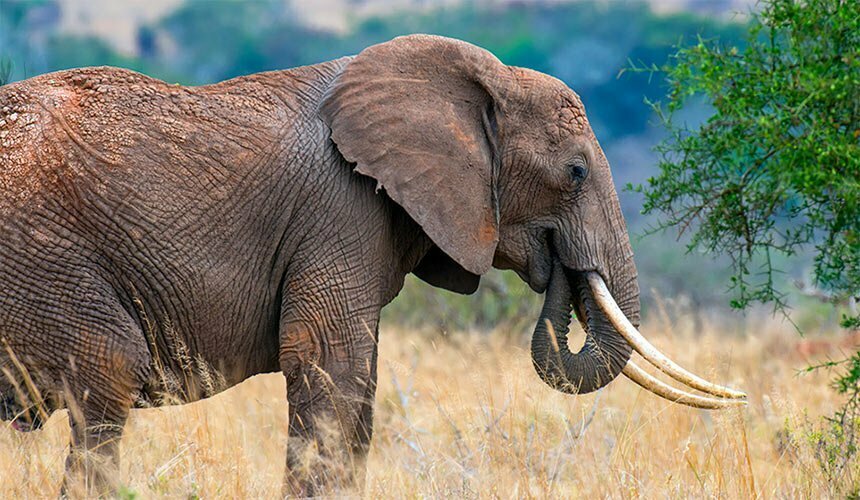
Elephants, the largest land mammals, are remarkable creatures that have fascinated humans for centuries. Their immense size, complex social structures, and intelligence set them apart in the animal kingdom. This exploration delves into the biology, behavior, conservation status, and cultural significance of elephants, revealing why these majestic beings hold a special place in our hearts and ecosystems.
Understanding Elephant Species
Elephants are categorized into three main species: the African bush elephant, the African forest elephant, and the Asian elephant.
- African Bush Elephant: The largest of the trio, the African bush elephant can weigh up to 14,000 pounds and reach heights of 13 feet. Their distinctive large ears not only help regulate body temperature but also amplify their already powerful vocalizations. They are often seen roaming savannas and grasslands in herds that can consist of up to 30 individuals.
- African Forest Elephant: Smaller and more elusive, the African forest elephant thrives in the dense rainforests of Central and West Africa. This species features straighter tusks, which are adept at navigating through thick foliage. Their role in seed dispersal is vital, as they help maintain the health of the forest ecosystem.
- Asian Elephant: Slightly smaller than their African cousins, Asian elephants are known for their smaller ears and more varied diet. Found in diverse habitats—from grasslands to tropical forests—these elephants have been historically utilized in agriculture and cultural ceremonies.
Remarkable Intelligence and Social Structures
One of the most striking features of elephants is their intelligence. Elephants exhibit behaviors indicating advanced cognitive abilities, including problem-solving, tool use, and self-awareness. Their social structures are equally impressive, characterized by matriarchal herds led by the oldest female.
These matriarchs are crucial for the herd’s survival, guiding their family members to water and food sources and protecting them from threats. Herds are generally composed of related females and their offspring, fostering strong family bonds that last a lifetime.
Communication among elephants is sophisticated. They use a range of vocalizations, body language, and even infrasound—low-frequency sounds that can travel long distances. This communication not only strengthens social ties but also helps coordinate group movements and warn of dangers.
The Ecological Role of Elephants
Elephants are often described as “ecosystem engineers” due to their significant impact on their environments. By feeding on trees and shrubs, they help maintain the balance between various plant species, preventing overgrowth that can hinder biodiversity. Their movements create pathways that allow other animals access to resources, thus promoting a diverse ecosystem.
Moreover, elephants are key players in seed dispersal. Many tree species rely on elephants to transport their seeds, which pass through their digestive systems intact. When elephants excrete these seeds, they are deposited in nutrient-rich droppings, fostering new growth and contributing to forest regeneration.
Current Conservation Challenges
Despite their ecological importance, elephants face numerous threats, primarily due to human activities. Habitat loss resulting from deforestation, agriculture, and urban development has led to significant declines in elephant populations. As their natural habitats shrink, elephants often find themselves in conflict with humans, leading to dangerous encounters.
Poaching for ivory remains one of the most pressing issues. Although international bans on ivory trade exist, demand persists, particularly in certain markets. This illegal trade has devastating consequences, leading to a sharp decline in elephant numbers, especially among African forest elephants.
To combat these threats, various conservation organizations work tirelessly to protect elephant habitats, enforce anti-poaching laws, and promote sustainable land-use practices. Community-based conservation initiatives have also gained traction, engaging local populations in protecting these magnificent animals.
Cultural Significance of Elephants
The cultural impact of elephants is profound and varied across the globe. In India, elephants are revered in religious contexts, often associated with the deity Ganesha, who symbolizes wisdom and prosperity. This cultural reverence is reflected in festivals and ceremonies where elephants play a central role.
In many African cultures, elephants are seen as symbols of strength, loyalty, and community. Their presence in folklore and art highlights the deep connection between these animals and human society. By recognizing their cultural significance, conservation efforts can be better aligned with the values and beliefs of local communities.
The Future of Elephants
The survival of elephants depends on collective efforts to address the threats they face. Through education and awareness-raising initiatives, people can develop a deeper understanding of the importance of elephants in our world. Engaging communities in conservation strategies not only fosters a sense of stewardship but also ensures that elephants continue to thrive in their natural habitats.
By prioritizing sustainable practices and protecting natural ecosystems, we can create a world where elephants roam freely, contributing to the beauty and complexity of our planet. These gentle giants, with their intricate social lives and vital ecological roles, remind us of the delicate balance of nature that we must cherish and protect for future generations.

 My Pet News Blog