
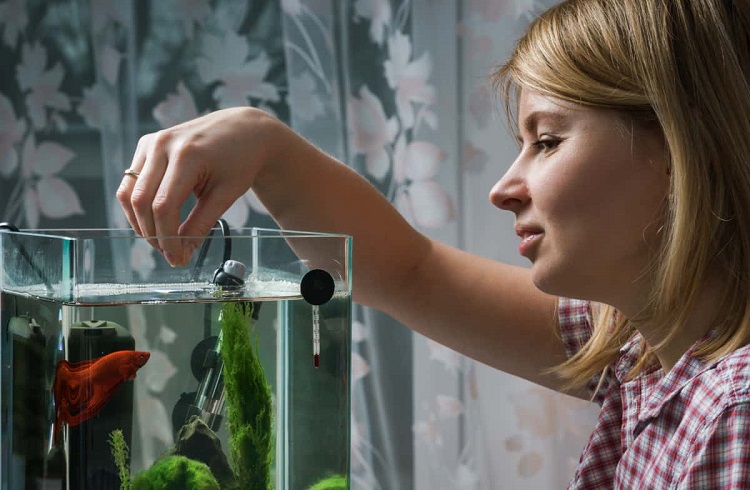
Selecting the right food for your fish is a fundamental aspect of aquarium care that can significantly impact their health and happiness. With a plethora of options available, it’s crucial to understand the nutritional needs of your fish, the types of food on the market, and best feeding practices. This guide aims to provide you with a comprehensive overview of fish food, ensuring your aquatic companions thrive.
Understanding Nutritional Needs
Every fish species has unique dietary requirements based on its natural habitat, behavior, and physical characteristics. Recognizing these needs is the first step toward providing a balanced diet.
Herbivores, Carnivores, and Omnivores
- Herbivorous Fish: These fish, like many species of goldfish and certain cichlids, primarily consume plant-based diets. They require food rich in fiber and algae, as these components support their digestive health.
- Carnivorous Fish: Predatory fish such as bettas and pike cichlids thrive on protein-rich diets. High-quality meat sources are essential for their growth and overall health.
- Omnivorous Fish: Many common aquarium fish, including guppies and tetras, eat a mix of both plant and animal matter. A balanced diet incorporating both is vital for their well-being.
Understanding your fish’s dietary classification allows you to choose the right food that aligns with their natural feeding habits.
Types of Fish Food
Fish food comes in various forms, each catering to different dietary needs and preferences. Here’s an overview of the main types of fish food you’ll encounter:
Flake Food
Flake food is widely used due to its convenience and availability. It is formulated for different species and typically floats on the water’s surface, making it easy for fish to access. However, flakes can quickly dissolve in water if not consumed promptly, which may affect water quality. Look for brands that offer high-quality ingredients, free from excessive fillers.
Pellets
Pellets come in both sinking and floating varieties, making them suitable for a range of fish species. Sinking pellets are ideal for bottom feeders, while floating pellets work well for surface feeders. Pellets generally provide more concentrated nutrition than flakes, making them a great choice for both herbivorous and carnivorous fish.
Freeze-Dried Food
Freeze-dried food retains the nutritional content of fresh food while offering a longer shelf life. Options like freeze-dried brine shrimp or bloodworms can be excellent treats for your fish. While nutritious, freeze-dried food should not constitute the entirety of a fish’s diet, as it may lack some essential nutrients.
Frozen Food
Frozen food options include a variety of nutrients, such as shrimp, fish, and vegetable mixtures. This food type is often more appealing to fish and provides a richer source of protein and essential vitamins. However, it requires proper storage to prevent spoilage and can be more expensive than other options.
Live Food
Offering live food, such as brine shrimp or daphnia, can enhance your fish’s diet and mimic their natural feeding behavior. This type of food is particularly beneficial for carnivorous species, providing a high level of nutrition and stimulation. However, sourcing live food requires diligence to ensure it is free from contaminants.
Feeding Practices
Choosing the right food is only part of the equation; effective feeding practices also contribute significantly to fish health.
Moderation is Key
Overfeeding is a common mistake among aquarists. Excess food can lead to water quality issues and obesity in fish. A general guideline is to provide only what your fish can consume within a few minutes. Monitor their feeding habits to avoid excess waste in the tank.
Observe Your Fish
Pay close attention to how your fish respond to their food. If they seem uninterested, it may be time to explore different types or brands. Fish can be picky eaters, and experimentation may be necessary to find the most appealing options for them.
Diversification
Just as humans benefit from a varied diet, fish thrive on nutritional diversity. Rotating different food types ensures a balanced intake of nutrients and prevents deficiencies. Include a mix of flakes, pellets, freeze-dried, and frozen foods to keep your fish interested and healthy.
Feeding Frequency
Feeding schedules can vary based on the species. Some fish benefit from multiple small feedings throughout the day, while others do well with one larger feeding. Research the optimal feeding frequency for your specific species to ensure they receive the best care.
Quality Ingredients
When selecting fish food, scrutinize the ingredient list. High-quality fish food should feature recognizable ingredients like whole fish, spirulina, or other nutrient-dense components. Avoid products with excessive fillers or artificial additives, as these can detract from the health of your fish.
Tailoring Choices to Your Aquarium
Each aquarium environment is unique, and the needs of your fish may change over time. Regularly assess their health and adjust their diet accordingly. A well-nourished fish is often more vibrant and resilient against disease.
Providing the right food is a critical aspect of responsible fishkeeping. By understanding the nutritional needs of your fish, selecting appropriate food types, and practicing mindful feeding, you can create an environment where your aquatic friends thrive. Taking these steps ensures your fish remain healthy and vibrant, enhancing your aquarium experience.

 My Pet News Blog