
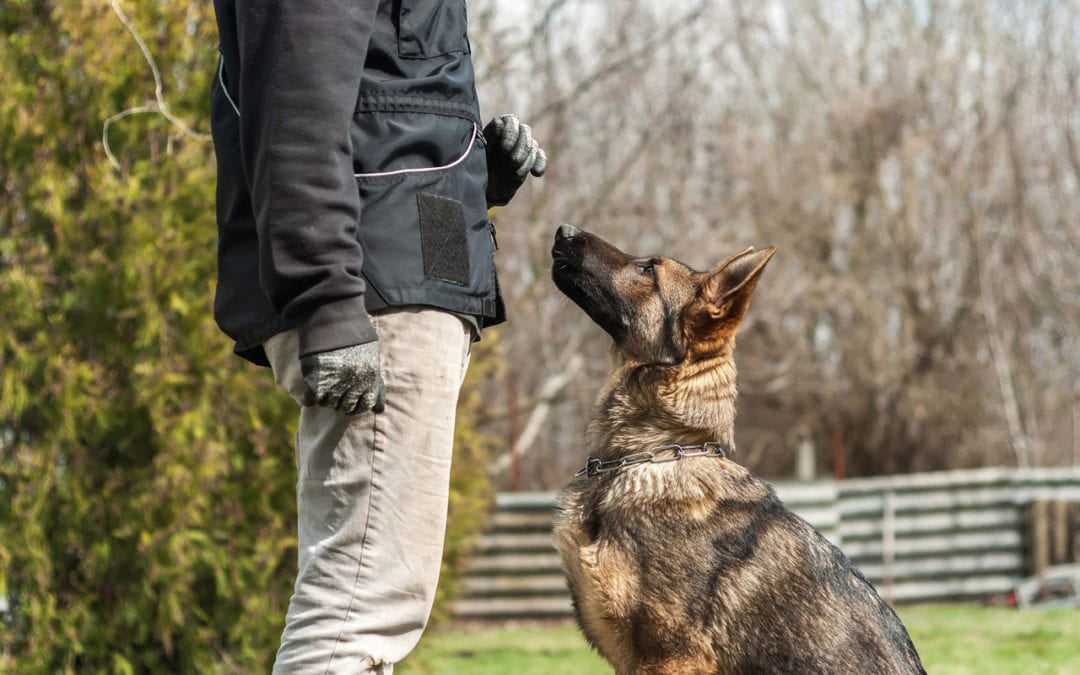
Training a dog is both an art and a science, demanding patience, consistency, and a touch of creativity. Whether you have a rambunctious puppy or a seasoned adult dog, effective training is key to a harmonious relationship. This guide will explore various aspects of dog training, equipping you with the knowledge to foster a well-behaved companion.
Understanding Canine Behavior
Before embarking on any training regimen, it’s vital to understand the fundamental behaviors and instincts of dogs. Dogs are pack animals by nature, thriving in social environments where they recognize a hierarchy. Understanding this instinct helps in establishing yourself as the leader, creating a clear structure for your dog.
Body Language and Communication
Dogs communicate primarily through body language. Tail wagging, ear positioning, and even vocalizations convey emotions and intentions. For instance, a wagging tail doesn’t always indicate happiness; it can also signal excitement or nervousness. By learning to read these cues, you can respond more effectively to your dog’s needs, enhancing the training process.
The Basics of Dog Training
Setting the Stage for Success
Creating a conducive environment for training is crucial. Choose a quiet space free from distractions where your dog can focus. Keep training sessions short, ideally between 5 to 15 minutes, especially for younger dogs. Frequent, short sessions are often more effective than lengthy marathons, which can lead to fatigue and frustration.
Positive Reinforcement
One of the most effective training methods is positive reinforcement, which involves rewarding desired behaviors rather than punishing undesirable ones. Rewards can come in the form of treats, praise, or playtime. For example, when your dog sits on command, immediately offer a treat and affectionate praise. This reinforces the behavior, making it more likely that your dog will repeat it.
Consistency is Key
Dogs thrive on routine and consistency. Use the same commands and gestures every time you ask your dog to perform a behavior. If you use different phrases or tones, it can confuse your dog and hinder progress. Consistency also extends to all family members; everyone should be on the same page regarding commands and rewards.
Essential Commands to Teach Your Dog
Sit
The “sit” command is fundamental and serves as a building block for other behaviors. To teach it, hold a treat above your dog’s nose and slowly move it back towards their tail. As they look up, their bottom will lower to the ground. When they sit, reward them with the treat and praise.
Stay
Once your dog has mastered “sit,” you can introduce the “stay” command. With your dog in a sitting position, open your palm in front of them and say “stay.” Take a step back; if they remain seated, return and reward them. Gradually increase the distance and duration before rewarding, reinforcing their ability to stay in place.
Come
The “come” command is vital for safety. Begin in a controlled environment, like your home or a fenced yard. Use a happy tone and call your dog’s name followed by “come.” When they approach, reward them generously. Practice this command regularly, gradually increasing the distance to reinforce their recall skills.
Advanced Training Techniques
Socialization
Socialization is crucial for a well-rounded dog. Expose your dog to various environments, people, and other animals. This exposure helps reduce anxiety and fear-based behaviors. Enroll in puppy classes or organize playdates to facilitate positive interactions.
Crate Training
Crate training can be beneficial for both you and your dog. A crate provides a safe space for your dog and can assist in house training. Introduce the crate gradually, making it a positive space with treats and toys. Start by encouraging your dog to enter the crate voluntarily, then gradually increase the time they spend inside with the door closed.
Advanced Tricks
Once your dog has mastered the basics, consider teaching them advanced tricks. Tricks like rolling over, playing dead, or weaving through your legs not only stimulate your dog mentally but also strengthen your bond. Use positive reinforcement to encourage your dog as they learn these new skills.
Dealing with Challenges
Behavioral Issues
Some dogs may exhibit undesirable behaviors such as excessive barking, chewing, or jumping. Address these behaviors promptly and with patience. For instance, if your dog barks excessively, identify the trigger. If it’s boredom, ensure they receive adequate exercise and mental stimulation.
Seeking Professional Help
If you encounter persistent challenges, consider consulting a professional dog trainer. A trainer can offer tailored guidance and techniques suited to your dog’s specific needs, ensuring you achieve the best outcomes.
Patience and Persistence
Training a dog is a process that requires time and effort. Celebrate small victories and remain patient through setbacks. Building a trusting relationship with your dog is the ultimate goal, and every training session brings you closer to that bond.
Embracing the Experience
Dog training is an enriching experience that enhances your relationship with your furry friend. Through understanding canine behavior, applying effective training methods, and addressing challenges, you can cultivate a well-behaved companion. Enjoy the journey of learning and growing together; the rewards will be immeasurable.

 My Pet News Blog