
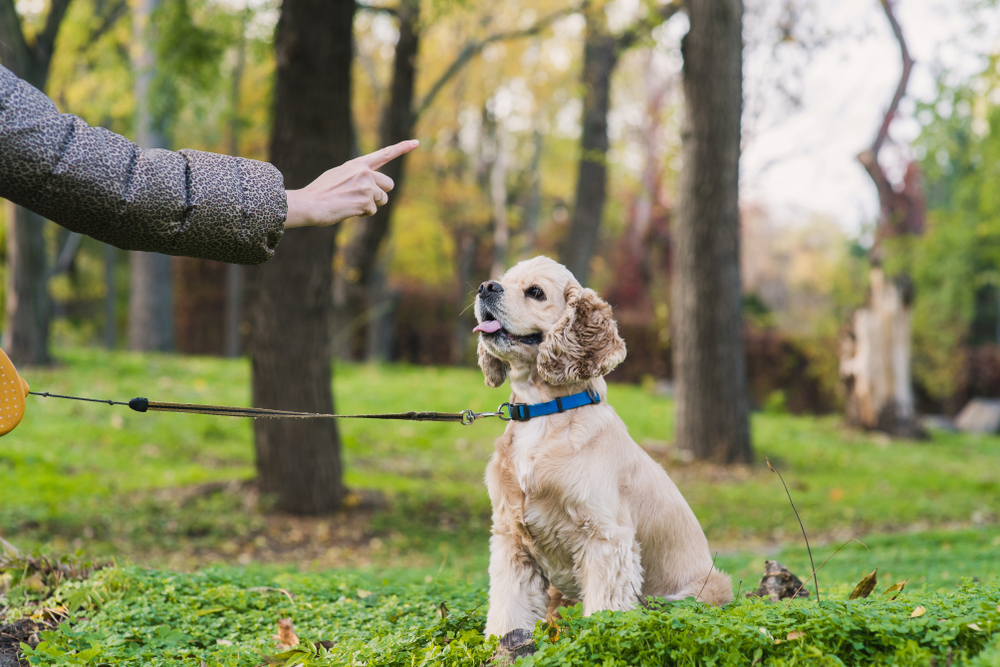
Training your dog is one of the most rewarding endeavors you can undertake as a pet owner. It strengthens the bond between you and your canine companion, ensures their safety, and fosters good behavior. Whether you’re welcoming a new puppy into your home or looking to refine the skills of an older dog, this guide will provide you with a solid foundation for effective training.
Understanding Canine Behavior
To train your dog successfully, it’s vital to comprehend their natural behaviors and instincts. Dogs communicate primarily through body language, vocalizations, and actions. Pay attention to their tail movements, ear positions, and overall demeanor. For instance, a wagging tail typically signals excitement, while a tucked tail may indicate fear. Understanding these signals allows you to respond appropriately during training sessions, ensuring that your dog feels secure and understood.
The Power of Consistency
One of the cornerstones of effective dog training is consistency. Dogs thrive on routine and clear expectations. Use the same commands and gestures each time to avoid confusion. For example, if you allow your dog to jump up on you sometimes but not when guests arrive, your dog may struggle to understand what behavior is acceptable. Establish a set of rules and stick to them. This predictability helps your dog learn and reinforces their trust in you as their leader.
Positive Reinforcement: The Key to Success
Positive reinforcement is a widely accepted and effective training method that involves rewarding desired behaviors. This can take the form of treats, praise, or playtime. When your dog successfully follows a command, reward them immediately. This creates a positive association with the behavior, encouraging your dog to repeat it.
Choosing Effective Rewards
Finding the right motivators is essential for successful training. Some dogs are highly food-driven, while others may respond better to toys or verbal praise. Experiment to see what resonates best with your dog. High-value treats—like small pieces of cooked chicken or cheese—are particularly effective when teaching new commands. As your dog masters the command, you can gradually transition to less frequent rewards, which helps maintain their motivation.
Fundamental Commands to Teach
- Sit: This command is one of the most fundamental and serves as an excellent starting point. Begin by holding a treat above your dog’s nose and slowly moving it back over their head. As they follow the treat with their eyes, their bottom will naturally lower. Once they are in the sitting position, immediately reward them with the treat and verbal praise.
- Stay: Once your dog can sit reliably, teaching “stay” is crucial for impulse control. Start by having your dog sit, then say “stay” while stepping back a few feet. If they remain in place, return and reward them. Gradually increase the distance and duration, ensuring they understand the command.
- Come: The “come” command is essential for your dog’s safety. Use a long leash for initial training. Call your dog with an enthusiastic tone, saying “come” while gently pulling the leash toward you. When they reach you, reward them with praise and a treat. This command can prevent dangerous situations, such as running into traffic.
The Importance of Socialization
Socialization is a vital aspect of training that involves exposing your dog to various environments, people, and other animals. This exposure helps your dog become well-adjusted and confident. Start with controlled environments, such as dog parks or training classes, where they can interact with other dogs and people. Gradually introduce your dog to new experiences, ensuring that they have positive interactions. Proper socialization reduces the likelihood of fear-based behaviors and helps your dog navigate the world comfortably.
Addressing Behavioral Challenges
Training isn’t solely about teaching commands; it also involves addressing behavioral issues that may arise. Common problems include excessive barking, chewing, and separation anxiety. Identifying the root causes of these behaviors is essential for finding effective solutions.
- Excessive Barking: Determine the reason behind your dog’s barking. If it’s due to boredom, increase their physical and mental stimulation. For barking at strangers, train them to respond to the “quiet” command with positive reinforcement.
- Chewing: Redirect inappropriate chewing by providing your dog with suitable toys. If they chew on furniture or other items, supervise them closely and gently correct the behavior, guiding them toward their toys.
- Separation Anxiety: To alleviate separation anxiety, gradually acclimate your dog to being alone. Start with short periods away from them and gradually extend the time. Create a comfortable space filled with engaging toys and comforting items to help them feel secure.
The Role of Patience and Persistence
Training takes time and patience. Dogs do not learn commands overnight, and it’s normal to encounter setbacks along the way. Celebrate small victories and remain consistent in your approach. If frustration arises, take a break and return to the training session with renewed energy. Maintaining a positive attitude not only benefits your dog but also reinforces the training process.
Seeking Professional Guidance
While many dog owners can successfully train their pets at home, professional training can offer significant advantages. Group classes provide a structured environment for learning and socialization. If you face particular challenges, enlisting the help of a certified dog trainer can offer tailored strategies and insights.
Building a Lifelong Bond
Training is about more than just teaching commands; it’s an opportunity to build a lasting relationship with your dog. The time and effort you invest in training will yield a more harmonious life together. By understanding your dog’s needs and employing effective training techniques, you can cultivate a positive environment where both of you can thrive. Your dog will become not only a well-mannered companion but also a cherished member of your family.

 My Pet News Blog