
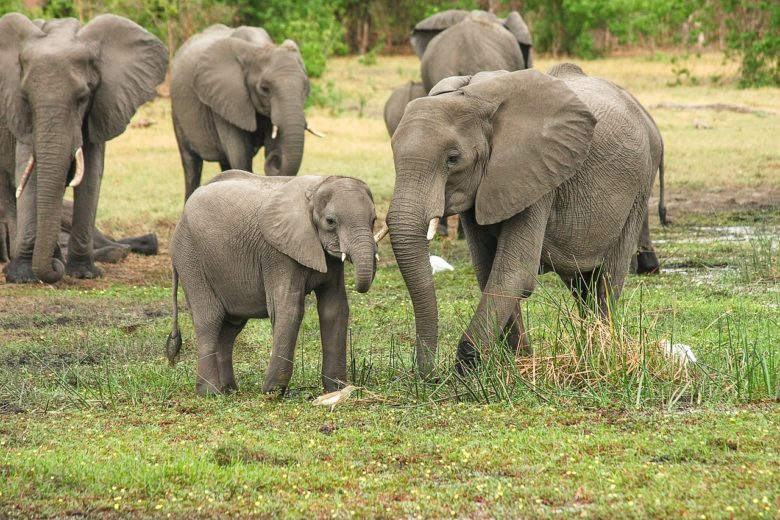
Elephants, the largest terrestrial mammals, are magnificent creatures that captivate the human imagination. Their intelligence, complex social structures, and critical ecological roles make them not just fascinating but essential to the health of our planet. This article will explore the various aspects of elephants, including their biology, social behavior, conservation status, and the cultural significance they hold across different societies.
The Three Species of Elephants
There are three main species of elephants, each with unique characteristics and habitats:
- African Bush Elephant (Loxodonta africana): The African bush elephant is the largest species, with males weighing up to 14,000 pounds and standing as tall as 13 feet at the shoulder. They are easily recognized by their large ears, which help dissipate heat and enhance their hearing. These elephants inhabit savannas and grasslands, often moving in herds led by a matriarch.
- African Forest Elephant (Loxodonta cyclotis): Smaller than their bush counterparts, African forest elephants are adapted to life in dense rainforest environments. They have straight, slender tusks, which assist them in navigating through thick foliage. These elephants play a vital role in seed dispersal, helping to regenerate their forest habitats.
- Asian Elephant (Elephas maximus): Slightly smaller than the African species, Asian elephants typically have smaller ears and a more varied diet. They can be found in a range of habitats, including grasslands, forests, and scrublands. This species has been domesticated in some cultures, often used for labor and ceremonial purposes.
Intelligence and Social Structures
Elephants are renowned for their exceptional intelligence, which rivals that of some primates. They exhibit a range of cognitive abilities, including problem-solving skills, tool use, and self-awareness. Research has shown that elephants can recognize themselves in mirrors, indicating a level of self-recognition that is rare in the animal kingdom.
The social structures of elephants are incredibly complex. Herds are typically matriarchal, with the oldest and often largest female leading the group. This matriarch is responsible for guiding the herd to food and water sources, as well as protecting them from potential threats. Herds consist of related females and their young, fostering strong bonds and cooperation among members.
Communication is another remarkable aspect of elephant behavior. They use a variety of vocalizations, body language, and even infrasound—low-frequency sounds that can travel over long distances—to convey information. This intricate communication system allows them to maintain social bonds and coordinate group activities, such as foraging or migrating.
Ecological Importance
Elephants are often referred to as “ecosystem engineers” due to their profound impact on their environments. By consuming large quantities of vegetation, they help maintain the balance of ecosystems. For instance, their

 My Pet News Blog