
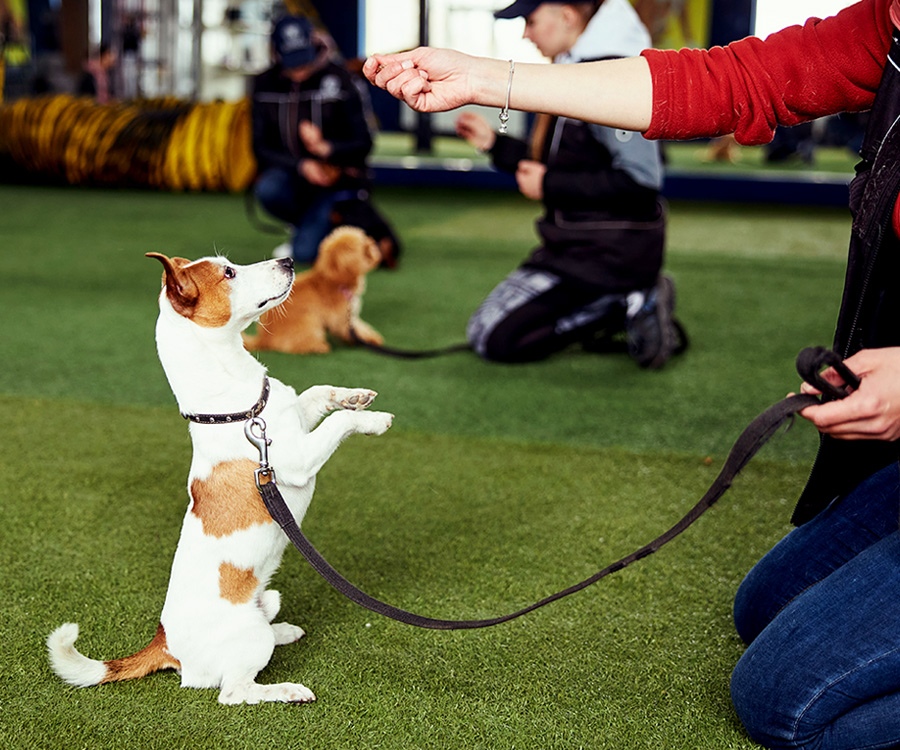
Dog training is an essential aspect of responsible pet ownership, not only for the sake of your home and your sanity but also for the well-being and happiness of your furry friend. A well-trained dog is not only a joy to be around but also leads to a more fulfilling relationship between owner and pet. This article will explore various dog training methods, key concepts, and practical tips that can help you establish effective training routines.
Understanding the Importance of Dog Training
Training your dog goes beyond just teaching basic commands like “sit” or “stay.” It fosters a sense of security and confidence in your pet. Dogs are social animals that thrive on interaction, and consistent training can improve their behavior and social skills. Furthermore, well-trained dogs are less likely to exhibit problematic behaviors, such as excessive barking, chewing, or jumping on guests.
Moreover, training your dog can also enhance their safety. Commands like “come” can be crucial in keeping your dog away from danger. The more control you have over your pet, the more secure you can feel during outdoor activities.
The Basics of Dog Training Techniques
When it comes to training your dog, there are several techniques that can be employed, each with its own merits. Here are a few popular methods:
1. Positive Reinforcement
Positive reinforcement is one of the most effective training methods. This technique involves rewarding your dog for good behavior rather than punishing them for bad behavior. Rewards can include treats, praise, or playtime. The idea is to create a positive association with the desired behavior, making your dog more likely to repeat it.
For example, if you want your dog to sit, you would say the command “sit” and gently guide them into the position. Once they comply, offer a treat and praise them enthusiastically. Over time, your dog will learn to associate sitting with positive outcomes.
2. Clicker Training
Clicker training is a form of positive reinforcement that uses a small device to make a clicking sound at the exact moment your dog performs the desired behavior. The click serves as a marker, indicating to the dog that they’ve done something right. After the click, a reward follows, solidifying the behavior.
This method allows for precise timing, which is crucial for effective learning. With practice, your dog will learn to perform behaviors on cue, knowing that a click and a reward will follow.
3. Obedience Training
Obedience training lays the foundation for all other training. This method typically involves teaching basic commands like “sit,” “stay,” “come,” and “down.” These commands help create a structure for your dog’s behavior and establish you as the leader.
Consistency is key in obedience training. Using the same commands and hand signals ensures your dog understands what is expected. Short, frequent training sessions are usually more effective than long, drawn-out ones, as dogs have shorter attention spans.
Addressing Behavioral Issues
Behavioral issues can arise even in well-trained dogs. Understanding the root causes can help you address these problems effectively. Common issues include:
1. Barking
Excessive barking can be a sign of anxiety, boredom, or a need for attention. To address this, first identify the trigger. If your dog barks at passersby, you may want to redirect their focus with a toy or treat. Teaching the “quiet” command can also be effective; reward them when they stop barking.
2. Chewing
Chewing is a natural behavior, but destructive chewing can be problematic. Ensure your dog has plenty of chew toys and engage them in regular playtime. If they chew on inappropriate items, redirect them to their toys and praise them when they comply.
3. Jumping
Jumping up to greet people can be a sign of excitement but may not be well-received by guests. Teaching your dog the “off” command can help manage this behavior. When your dog jumps, ignore them until they calm down, then offer attention when all four paws are on the ground.
Socialization: A Key Component
Socialization is a vital part of dog training. Introducing your dog to various environments, people, and other animals can help them become well-adjusted and confident. Start socialization early, ideally when your dog is a puppy, but older dogs can also benefit from exposure to new experiences.
Take your dog on walks in different neighborhoods, visit dog parks, and arrange playdates with other pets. Ensure that these experiences are positive to help your dog develop a balanced demeanor.
The Role of Patience and Consistency
Training takes time and effort. It’s essential to be patient and consistent in your approach. Each dog learns at their own pace, and frustration can hinder the training process. By maintaining a calm and positive attitude, you can create an encouraging environment that fosters learning.
Training isn’t a one-time event but an ongoing process that can strengthen the bond between you and your dog. Regular practice and reinforcement of learned commands will keep your dog sharp and responsive.
In summary, dog training is a multifaceted endeavor that requires understanding, patience, and dedication. By employing effective techniques, addressing behavioral issues, and emphasizing socialization, you can cultivate a well-mannered and happy canine companion. Enjoy the rewarding experience of training, as it not only benefits your dog but enhances the overall quality of life for both of you.

 My Pet News Blog